Our Journal
Insights, updates, and guidance on your journey to a blessed union.
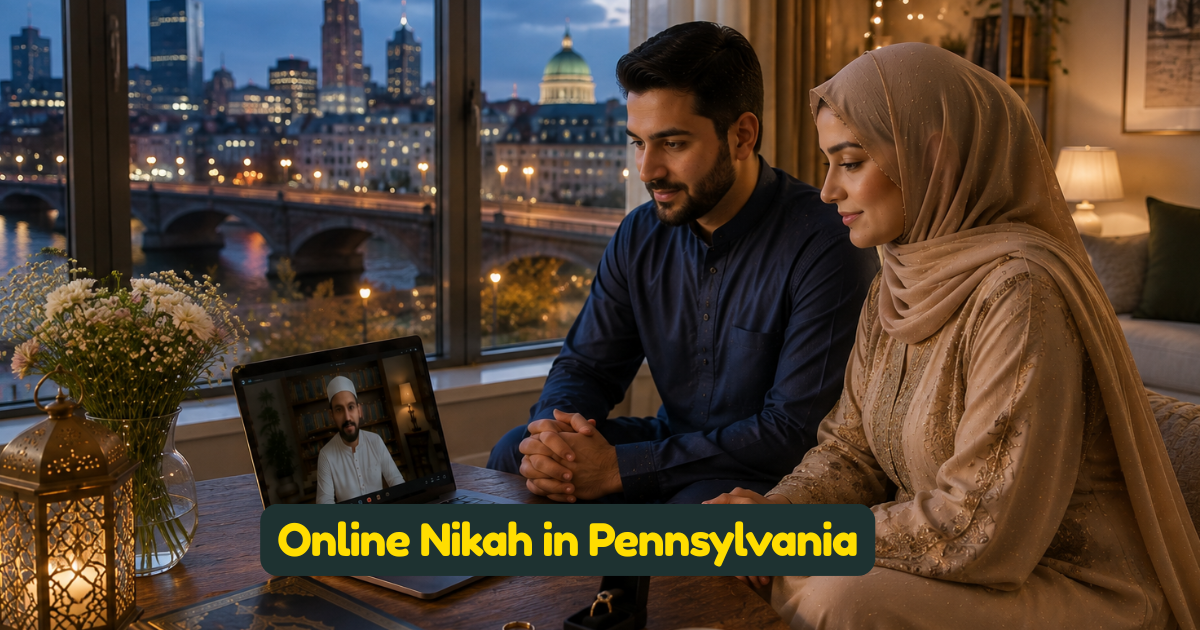
Online Nikah in Pennsylvania
Pennsylvania's centuries-old "self-uniting" marriage license, rooted in Quaker tradition, lets a couple legally marry with no officiant at all — just their own declaration and two witnesses. It's a genuinely close civil-law parallel to the core structure of a valid nikah.
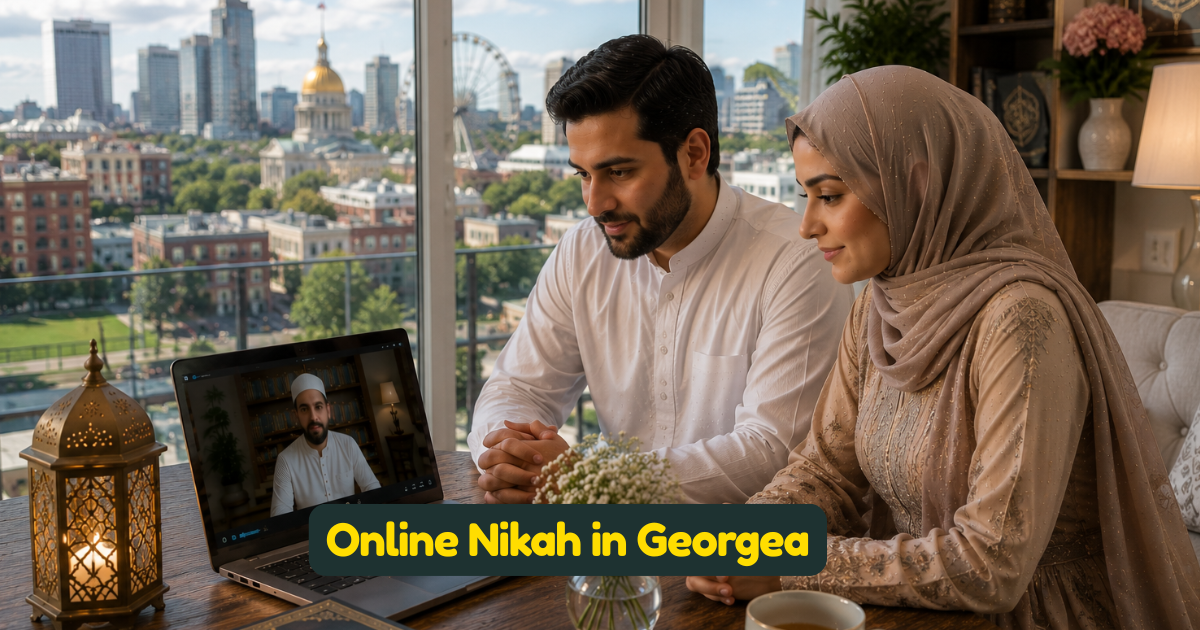
Online Nikah in Georgea
Georgia law requires two witnesses to sign the marriage license itself a genuine civil-law parallel to the Islamic requirement — and even offers a distinct "covenant marriage" category built around mandatory premarital counseling, an idea already familiar to most nikah traditions.

Online Nikah in Ohio
Ohio requires ministers — including imams — to individually register with the Secretary of State and receive a state-issued license before they can legally solemnize any marriage. It's a genuine, formal step that catches couples and even experienced officiants off guard.

Online Nikah in Minnesota
Minnesota law requires two witnesses for a valid marriage — a genuine overlap with Islamic requirements — and includes a notable protective provision: a marriage remains valid if the couple genuinely, reasonably believed their officiant was properly authorized, even if a technicality says otherwise.

Online Nikah in North Carolina
North Carolina law explicitly recognizes a "confirmation ceremony" — a religious ceremony held after a couple already legally married through a civil official, requiring no new license, and existing purely for its religious meaning rather than legal effect.

Online Nikah in Wisconsin
Wisconsin law explicitly names religious self-marriage as a valid, legal path to marriage — no officiant required — for any couple whose faith tradition has its own customs and rules for it. It's a provision that lines up remarkably closely with how a nikah already works.